


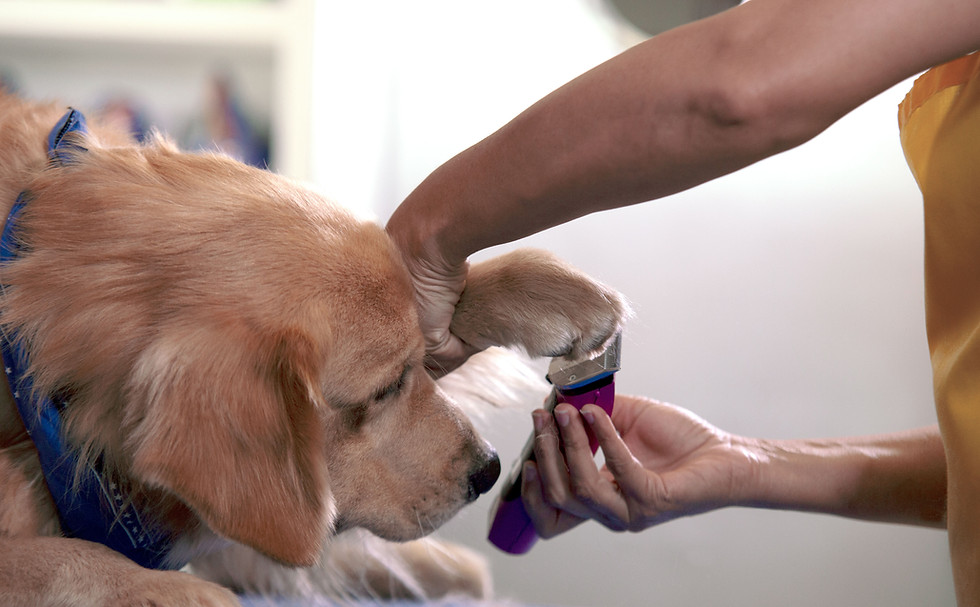

Dog Massage Courses & Qualifications
Dog massage has become an increasingly recognised complementary therapy that can support canine comfort, mobility, recovery, and overall wellbeing. As awareness of holistic canine care continues to grow, dog massage courses and qualifications are attracting dog owners, therapists, trainers, rehabilitation professionals, veterinary support staff, and individuals seeking a specialist career within the canine industry. Learning the principles of canine massage can provide valuable knowledge of anatomy, movement, muscle function, and techniques designed to promote relaxation and physical wellbeing.
Across the UK, dog massage courses range from introductory workshops for pet owners through to advanced professional qualifications that cover canine anatomy and physiology, musculoskeletal health, massage techniques, gait and posture assessment, injury prevention, rehabilitation support, soft tissue care, and professional practice. Many programmes combine theoretical learning with practical hands-on experience, enabling students to develop the skills and confidence required to work safely and effectively with dogs of different breeds, ages, and physical conditions.
At Manor House Dogs, we provide trusted information about dog massage courses and qualifications, helping individuals explore recognised training pathways and educational opportunities within this specialist field. Whether you are looking to enhance your understanding of canine wellbeing, complement existing animal care qualifications, support active and sporting dogs, or pursue a professional role in canine massage therapy, the right training can help you build the knowledge, practical skills, and confidence needed to make a positive difference to dogs' health and quality of life.
Dog Massage Courses & Qualifications
Level 4 Equivalent Diploma in Canine Therapeutic Massage

The Level 4 equivalent course in canine therapeutic massage offers an excellent grounding and introduction to the subject, covering all aspects of the profession to enable you to become a successful and credible practitioner.
The level of detail contained within the course is designed to set our graduates apart as credible professionals within the industry.
Theory modules
The Theory Modules include:
Anatomy and Physiology
Communication and professional skills
Massage and soft tissue techniques
Related professions
In addition to the theory modules, you will undertake:
8 days’ Practical training
Case studies
Some reflective practice
Total learning time: 1200 hours
Practical training
Practical training is delivered at various venues around the UK offering a degree of flexibility on location and dates, but you will be expected to travel in order to complete your practical training.
Level 3 Diploma in Canine Massage
The SEG Awards Level 3 Diploma in Canine Massage has been designed to provide learners with the necessary knowledge and skills relating to canine massage. This includes acquiring a comprehensive understanding of canine behaviour, anatomy and physiology as well as mastering a range of massage techniques and their application to improve canine well-being enabling the learners to assess musculoskeletal issues in canines.
It is required for learners to complete 42 hours of practical training to obtain the skills required in Canine Massage. Learners will gain the required skills, knowledge and behaviours to work professionally in canine massage alongside formalising the capability of those already working in the field.
Learners will obtain the knowledge required to understand different massage techniques, essential massage strategies and healing methods for canines. It is vital for the learners to improve their knowledge from one another and build successful connections with clients.
The below units require practical training hours to be completed:
The Application of Massage Techniques in Canines – 42 hours
iPET Network Level 4 Diploma in Animal Sports Massage
This qualification combines theory with over 200 hours of practical training on dogs and horses. Learn anatomy, welfare, professional standards, and clinical skills, with the option to progress to Level 5 and Level 6 for advanced study, preparing you for a successful career in the animal physiotherapy sector.
Manor House Dogs helps dog owners, trainers, groomers, walkers, behaviourists, breeders and canine professionals discover trusted canine courses, recognised qualifications and professional development opportunities throughout the UK. Our comprehensive directory covers dog training, canine behaviour, dog grooming, dog walking, canine first aid, hydrotherapy, nutrition, rehabilitation and specialist pet industry certifications.


Frequently Asked Questions (FAQs)
What is a dog massage course?
A dog massage course is designed to teach the principles and techniques of canine massage therapy. These courses typically explore canine anatomy, muscle structure, movement, posture, and massage techniques that may support comfort, relaxation, mobility, and overall wellbeing. Dog massage training is popular among dog owners, canine therapists, groomers, rehabilitation professionals, and individuals looking to expand their knowledge of canine health and care.
What can you learn on a dog massage course?
Dog massage courses often cover canine anatomy and physiology, muscle groups, movement analysis, handling techniques, massage methods, posture assessment, relaxation techniques, and welfare considerations. Advanced programmes may also explore rehabilitation support, soft tissue care, gait analysis, professional practice, and working alongside veterinary professionals as part of a wider canine wellbeing approach.
Do I need qualifications to become a canine massage therapist?
Requirements vary depending on the type of work you intend to undertake and the services you plan to offer. While there is no single mandatory qualification pathway for everyone interested in canine massage, professional training can help develop the knowledge, practical skills, and confidence needed to work safely and responsibly with dogs. Many professionals choose recognised courses to enhance their credibility and demonstrate their commitment to continuing education.
Are dog massage courses suitable for beginners?
Yes. Many dog massage courses are designed for beginners and require no previous experience. Introductory programmes often provide a foundation in canine anatomy, handling skills, welfare principles, and basic massage techniques. More advanced qualifications are available for those wishing to pursue specialist training or professional development within canine therapy and wellbeing.
How long does it take to complete a dog massage qualification?
The length of a dog massage course depends on the training provider, qualification level, and study format. Some introductory courses can be completed within a few days, while more comprehensive qualifications may take several weeks or months. Many programmes combine theoretical learning with practical experience to help students develop confidence and competence.g.
Can dog owners benefit from learning canine massage?
Many dog owners choose to study canine massage to better understand their dog's physical wellbeing and to learn safe techniques that may support relaxation and comfort. Understanding canine anatomy, movement, and body awareness can also help owners become more attentive to changes in posture, mobility, and overall condition. Any concerns about a dog's health should always be discussed with a qualified veterinary professional.
What is the difference between dog massage and canine rehabilitation?
Dog massage focuses on soft tissue techniques and physical wellbeing through hands-on therapy approaches, while canine rehabilitation is a broader field that may include therapeutic exercises, recovery programmes, mobility support, hydrotherapy, and multidisciplinary rehabilitation plans. The two areas often complement one another and may be studied alongside other canine health and welfare qualifications.
Are online dog massage courses worth it?
Online dog massage courses can provide valuable theoretical knowledge about canine anatomy, physiology, movement, and massage principles. Many learners appreciate the flexibility of online study, while some choose programmes that also include practical workshops or hands-on training opportunities. Reviewing course content, learning outcomes, and practical requirements can help identify the most suitable training option.
Can a dog massage qualification support a career working with dogs?
Many people study dog massage as part of their professional development within the canine industry. Qualifications may complement existing experience in dog grooming, canine rehabilitation, hydrotherapy, training, animal care, or other dog-related professions. Specialist knowledge of canine wellbeing can be a valuable addition to a broader skill set when working with dogs.
Are dog massage courses worth it?
For many learners, dog massage courses provide a deeper understanding of canine anatomy, movement, physical wellbeing, and complementary therapy techniques. Whether your goal is personal interest, professional development, or exploring opportunities within canine health and welfare, quality training can help build confidence, practical knowledge, and a greater appreciation of canine physical care.